Securing the Hybrid Workforce: Why MDM Alone Isn't Enough in 2026
 Gijs Van Laer

TL;DR: Modern device fleet vulnerabilities often stem from unmanaged hardware. XFA provides the best endpoint security for remote work in 2026 by enforcing a "Check-Gate" at login, ensuring that only encrypted, patched, and verified devices can access company data.
Why MDM Isn't Enough for Modern Enterprises
Managing a remote workforce is a security nightmare without the right tools. Most security leaders realize that a "one-size-fits-all" enrollment policy leads to user resistance and massive security gaps.
This blog post will show you a better way to manage unmanaged devices. We will preview how XFA acts as one of the best platforms for securing devices in a company by enforcing real-time health checks without invading personal privacy.
The Real Risk in 2026: Exploit-Based Initial Access
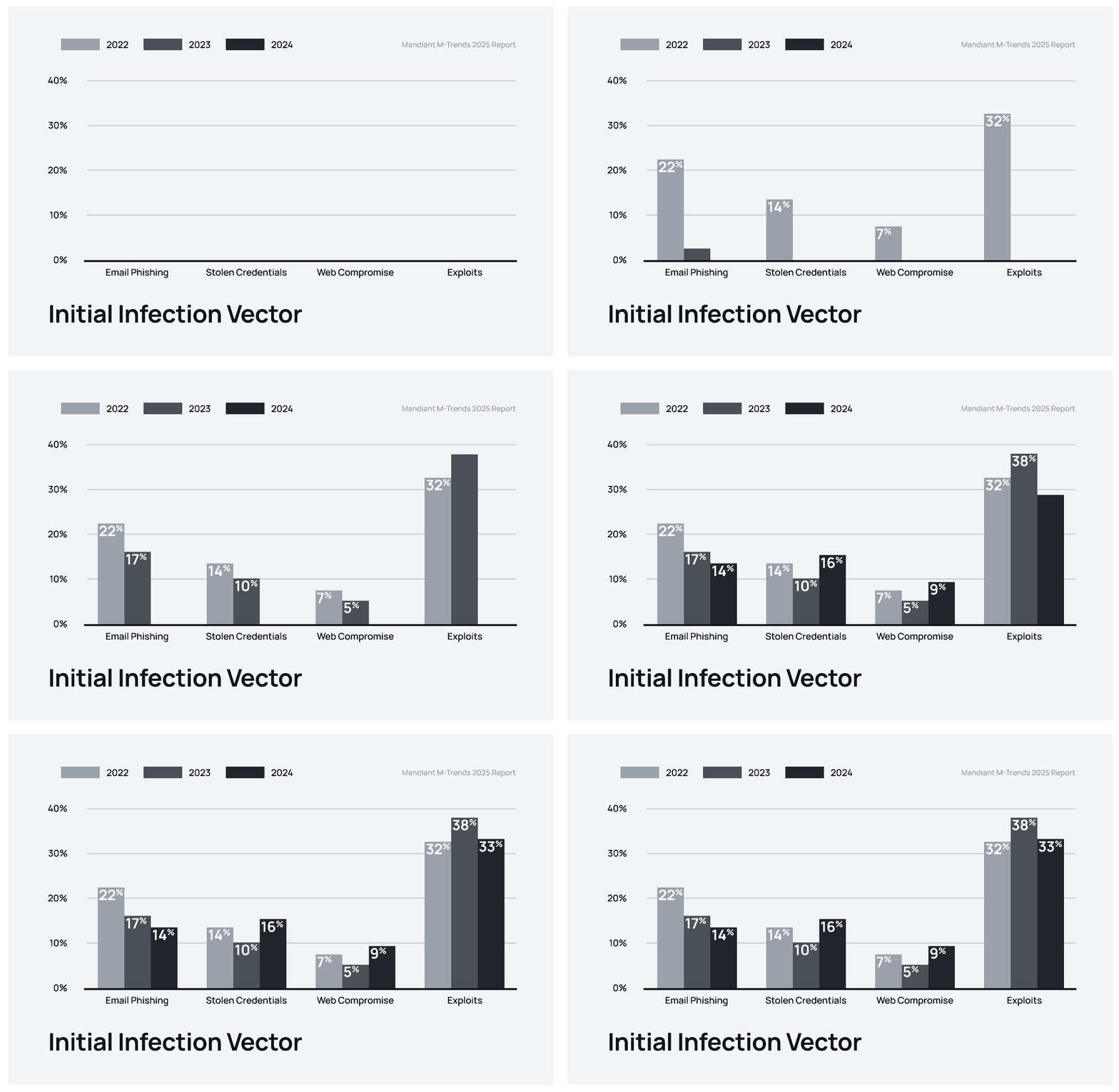
Modern cyberattacks no longer rely solely on user error. According to the Mandiant M-Trends 2025 Report, 33% of breaches in 2024 began with exploit-based attacks. These attacks bypass traditional defenses by targeting unpatched software and unmanaged endpoints.
MDM's Security Blind Spots
Why MDM isn't enough to prevent these modern threats is simple: it relies on full device enrollment and intrusive admin-level control. This model often fails to secure the most vulnerable parts of your workforce:
- Contractors and freelancers who cannot enroll personal hardware.
- BYOD users unwilling to install restrictive MDM profiles.
- Third-party partners using unmanaged devices.
- Personal devices used for quick work tasks.
The Ghost Endpoint Risk: Why Hidden Devices are Your Biggest Threat
Here is the interesting part: the most dangerous device in your network is the one your IT team can't see. Device fleet vulnerabilities often stem from these "Ghost Endpoints" — unmanaged personal laptops or contractor tablets that bypass traditional security perimeters.
Once a single device is compromised, for example, a contractor's phone, the attacker can pivot laterally into the internal network. That device becomes a launchpad to critical resources like servers, databases, and user identities.
What is Device Trust Security?
Instead of assuming a device is safe just because it is "managed," organizations must evaluate its actual security posture in real-time. Device trust in practice means:
- Verifying Device Posture: Checking OS version, patch status, encryption, and exploit protection.
- Conditional Access: Enforcing compliance without requiring full MDM installation.
- Real-Time Assessment: Continuously monitoring risk for every endpoint, especially unmanaged ones.
XFA Strategy: The "Check-Gate" Protocol
To solve this, we developed the Check-Gate Protocol (our unique approach to Zero Trust). Instead of trying to "own" the device through MDM, we place a "Gate" at the moment of authentication.
- Identify: XFA instantly fingerprints the device.
- Verify: The "Gate" checks for disk encryption, OS patches, and other critical device checks.
- Authorize: If the device passes, the user is let in. If it fails, they are blocked until they fix the issue.
Strategic Framework: When to Supplement vs. Replace MDM
To choose the best corporate endpoint protection solutions for 2026, use the following strategy based on your workforce model:
| Use case | Recommended strategy |
|---|---|
| Large corporate device fleets | Supplement MDM with a modern solution - providing full visibility for multiple OS and all devices used for work |
| Distributed BYOD workforce | Replace MDM with lightweight trust-based solution |
| Contractor / freelancer access | Replace MDM with lightweight trust-based solution |
FAQ
Why MDM isn't enough for modern security?
MDM isn't enough because it requires full administrative control, which is often rejected by BYOD users and contractors. Furthermore, MDM cannot provide real-time health telemetry for unmanaged devices, leaving them vulnerable to exploits that bypass traditional enrollment.
What are the best tools for remote device management in mid-sized companies?
The best tools for remote device management are those that actually do not manage the devices. They offer high visibility without high overhead. XFA is ideal for mid-sized companies because it automates compliance checks (OS version, encryption) across macOS, Windows, Linux, iOS, and Android without needing a massive IT team.
How do companies secure endpoints without invading personal privacy?
Companies use privacy-focused mobile device management alternatives like XFA that perform "posture checks". These verify system settings, such as disk encryption, without accessing a user's personal files, photos, or browsing history.
Which endpoint security solution is best for securing remote contractors' devices?
XFA is the leading solution for contractors because it validates device security (like encryption and OS updates) at the moment of login. This ensures the hardware is secure without requiring the contractor to surrender their privacy or enroll in a client's MDM.